
Which is Better: PVC, uPVC, or CPVC?
When choosing pipes for plumbing, construction, or industrial use, one common question arises: Which is better – PVC, uPVC, or CPVC? The answer depends on your specific requirements such as temperature resistance, pressure capacity, durability, and budget.
All three materials are widely used in modern piping systems, but each serves a different purpose. Let’s explore their differences to help you make the right decision.
1. PVC (Polyvinyl Chloride)
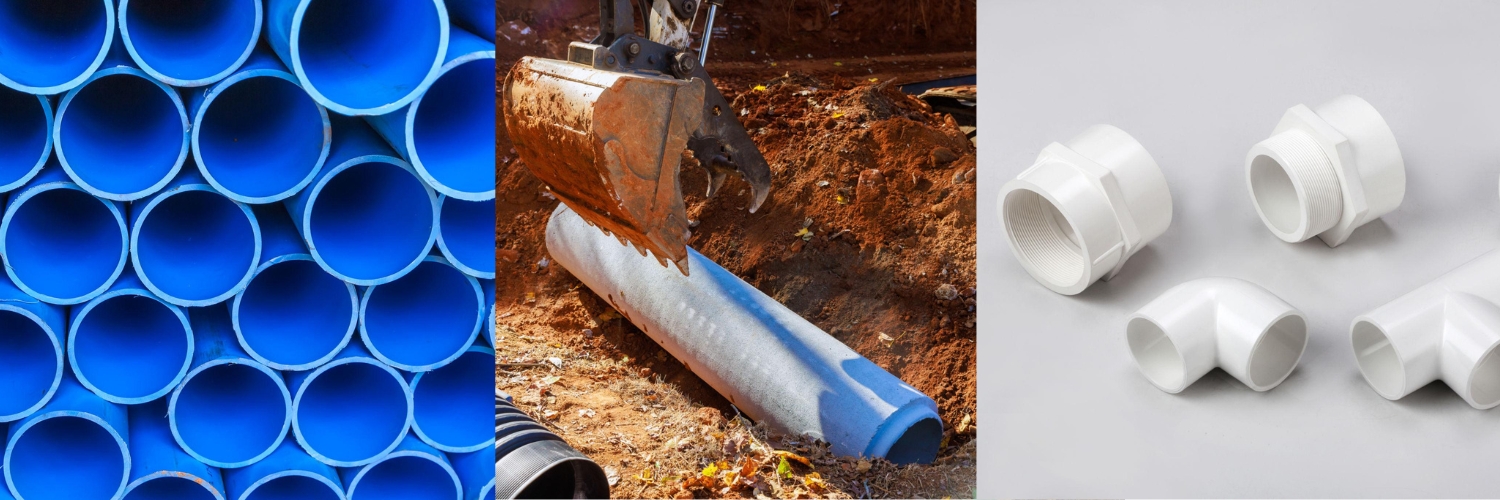
PVC is one of the most commonly used plastic piping materials. It is lightweight, affordable, and easy to install.
Key Features:
- Lightweight and easy to handle
- Corrosion-resistant
- Cost-effective
- Suitable for cold water and drainage systems
- Simple installation process
PVC is mainly used for drainage systems, irrigation pipelines, and electrical conduits. However, it is not suitable for hot water applications because it can soften at high temperatures.
2. uPVC (Unplasticized Polyvinyl Chloride)
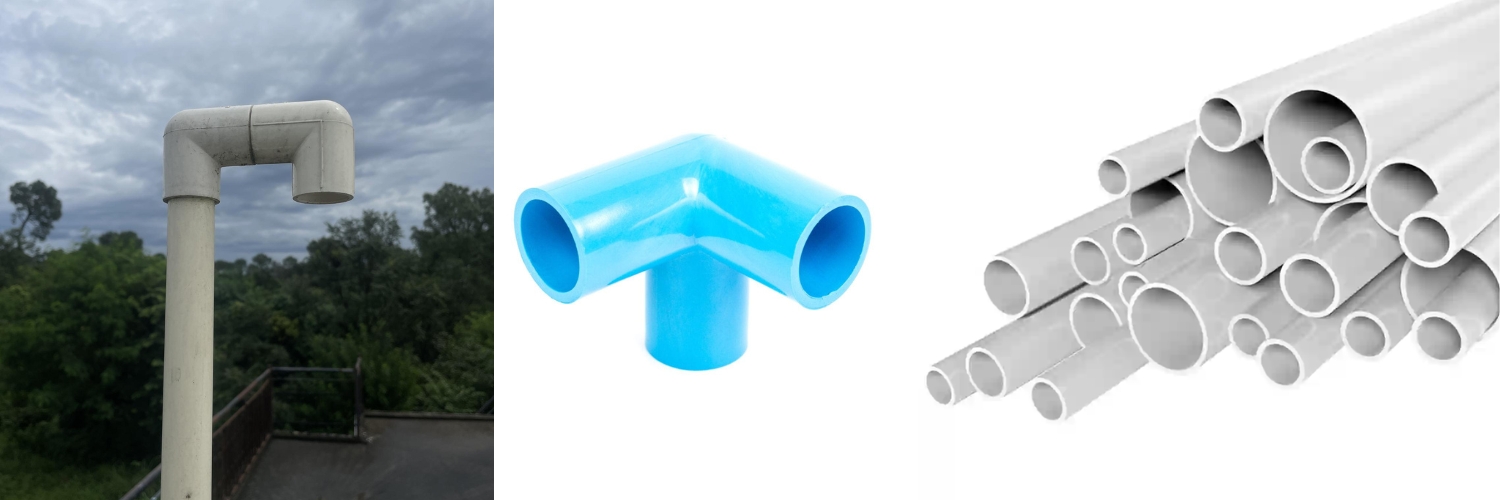
uPVC is a stronger and more rigid version of PVC. It does not contain plasticizers, which makes it more durable and long-lasting.
Key Features:
- Higher strength and rigidity
- Excellent chemical resistance
- Low maintenance
- Long service life
- Safe for drinking water systems
uPVC is widely used in residential and commercial plumbing systems, especially for cold water supply and pressure pipelines.
3. CPVC (Chlorinated Polyvinyl Chloride)
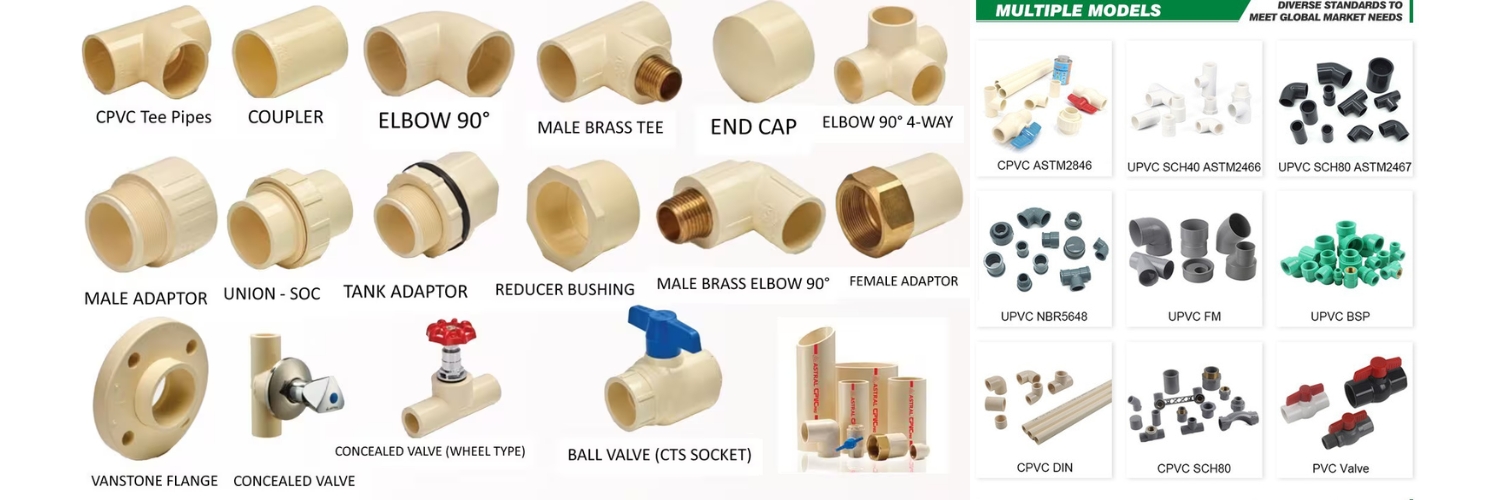
CPVC is produced by chlorinating PVC resin, which increases its temperature resistance. It can withstand higher temperatures compared to PVC and uPVC.
Key Features:
- High temperature resistance (up to 90°C and above)
- Excellent pressure handling capacity
- Strong chemical resistance
- Suitable for both hot and cold water systems
CPVC is the preferred choice for hot water plumbing in homes, apartments, and commercial buildings.
PVC vs uPVC vs CPVC – Comparison Table
| Feature | PVC | uPVC | CPVC |
|---|---|---|---|
| Temperature Resistance | Low | Moderate | High |
| Strength | Moderate | High | High |
| Cost | Low | Moderate | Higher |
| Hot Water Use | No | Limited | Yes |
| Drinking Water Safe | Limited | Yes | Yes |
Conclusion
There is no single “best” pipe material. The right choice depends on your application. PVC is ideal for drainage and low-cost installations. uPVC offers better strength for cold water supply systems. CPVC is the best option when hot water handling is required.
Before selecting a pipe, consider temperature, pressure, usage type, and budget. Choosing the correct material ensures long-term durability, safety, and performance.